Blog 6: October 2026 Interview with CASW Student Award Winner, photographer Mike Varney
Renn sat down with Mike Varney, the recipient of CASW’s Student Award for 2026, over a zoom call to discuss his creative journey and process, his relationship to art and particularly why he is so drawn to the medium of photography.
Renn:
What was your creative journey going from childhood to now?
Mike:
As a kid, I dabbled in drawing here and there. I studied GCSE Art and Design at school, but I think I came out of school with pretty poor GCSEs. I got my GSCE for art and design, but I never really chased it. I was always a musician as a teenager and went to college to do music. I have to be honest, I wasn’t really artistically inclined at all until Covid.
My background was limited, especially compared to all the other students who were in my cohort when I went to Aberystwyth [University]. I’d always appreciated art – I grew up on Impressionists like Monet for example – but I didn’t really discover art until Covid. The Covid lockdown gave me the opportunity to focus on what I really wanted rather than on mundane jobs.
Renn:
Yeah, it happened for a lot of us. People were able to step back and ask themselves ‘what do I actually want?’ Did you then go on to do a BA at Aberystwyth [University]?
Mike:
Yes. I went to college when I was 17 but got kicked out of my second year because I was a bit of a delinquent. I didn’t get my first choice of college and I believe this is why I never took the course seriously. During Covid, I completed a Foundation degree down south in England. It ended up being completely remote so I enrolled in the ‘Creative Arts’ degree at Aberystwyth. The degree was really good for me because, as someone who had no background in art and no formal training, it was so multi-faceted. I could do photography, film studies, drawing, poetry. With the BA completed, I thought I’d stay in Aberystwyth and continue with an MA, which I’ve just finished.
Renn:
I relate a lot to that as I came to art later in life. I was always a writer and I didn’t think of myself as an artist.
Mike:
We don’t normally think of ourselves as ‘artists’ do we?
Renn:
Yep. It’s a very loaded word. People don’t like to call themselves ‘artists’ and they don’t like to think of themselves as creative because they aren’t in galleries etc.
Mike:
There’s like the working artist and then there’s doing it as a hobby.
Renn:
I think it’s really interesting though when it comes to approaching art when you don’t have any formal background in it. As you didn’t have a specific idea of what medium you wanted to work in, it meant you could play and experiment and gradually home in on what you were particularly interested in as the course progressed. What was that journey like going through the BA degree and then onto an MA? You are going from this big, expansive world of just chopping and changing and then you home in on photography. What was that experience like for you? Were there things you tried which you didn’t expect yourself to enjoy?
Mike:
With the BA there were negatives and positives owing to the multi-faceted nature of the course. As it wasn’t focused on one medium, this ended up being a positive for me. As I said, I didn’t go to Uni to do photography but in the second year I simply decided to choose that module. It went from there really. I just fell into it. My tutor at the time felt I’d done really well considering other students had a lot more experience. I just seemed to have just picked it up and got on with it
Renn:
What did you focus on during the MA?
Mike:
At the start of the MA, I did a lot of macro fungi stuff. This was a learning point for me. Within the first two weeks of the MA tutors felt I was creating works which could have been sent to exhibitions. This was very encouraging but they also said creating good work doesn’t make an MA. I’ve realized through studying for the MA that I needed to ask myself ‘what conversation do I want to strike with the viewer? What do I want to say?’ It’s all well and good taking a photo of a mushroom and although it’s amazing and beautiful, it doesn’t actually say anything.
I realized I want my work to mean something so I had to dig deep and look into myself. That’s where those abstract images came from which challenged my body dysmorphia and my hyper masculinity. I think being brutally honest creates the best work. We all kind of know that. Something which comes from inside works well. It was weird being the subject as well as the photographer. Being so raw and being in the nude was completely out of my comfort zone.
*Click on images below to enlarge*
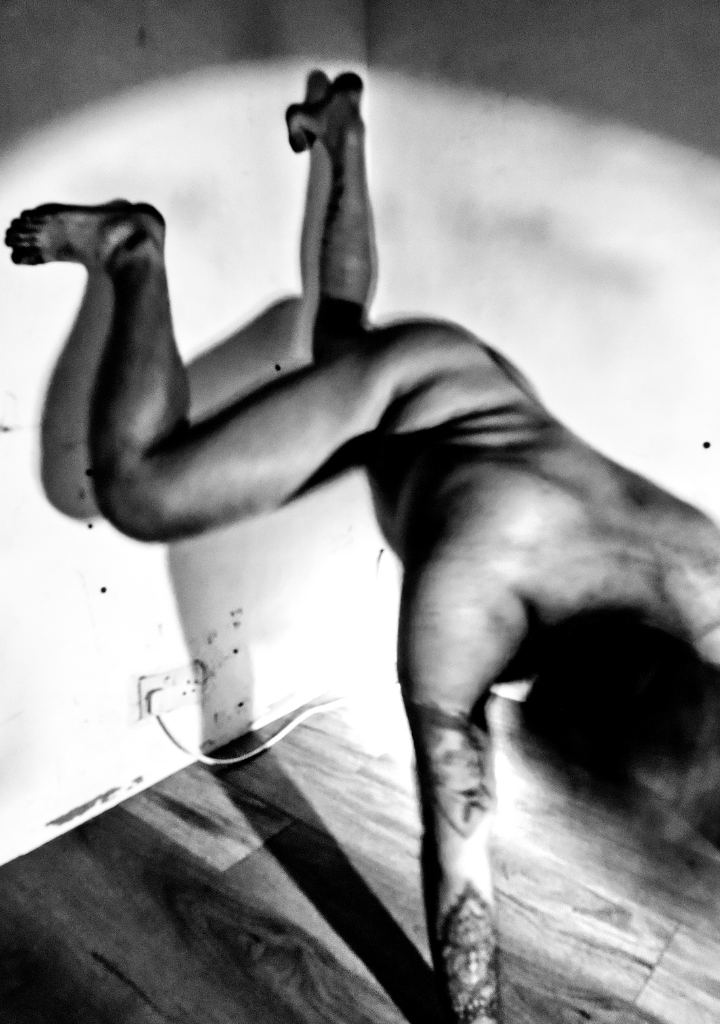
‘Rut’ By Mike Varney
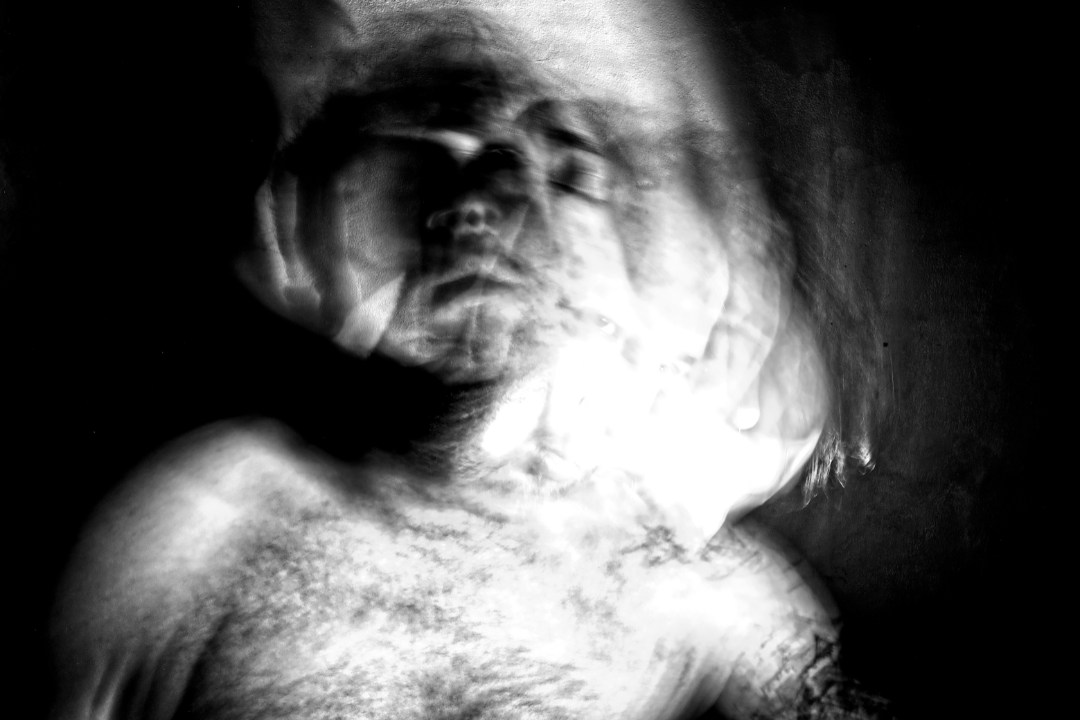
‘Ego Death’ By Mike Varney
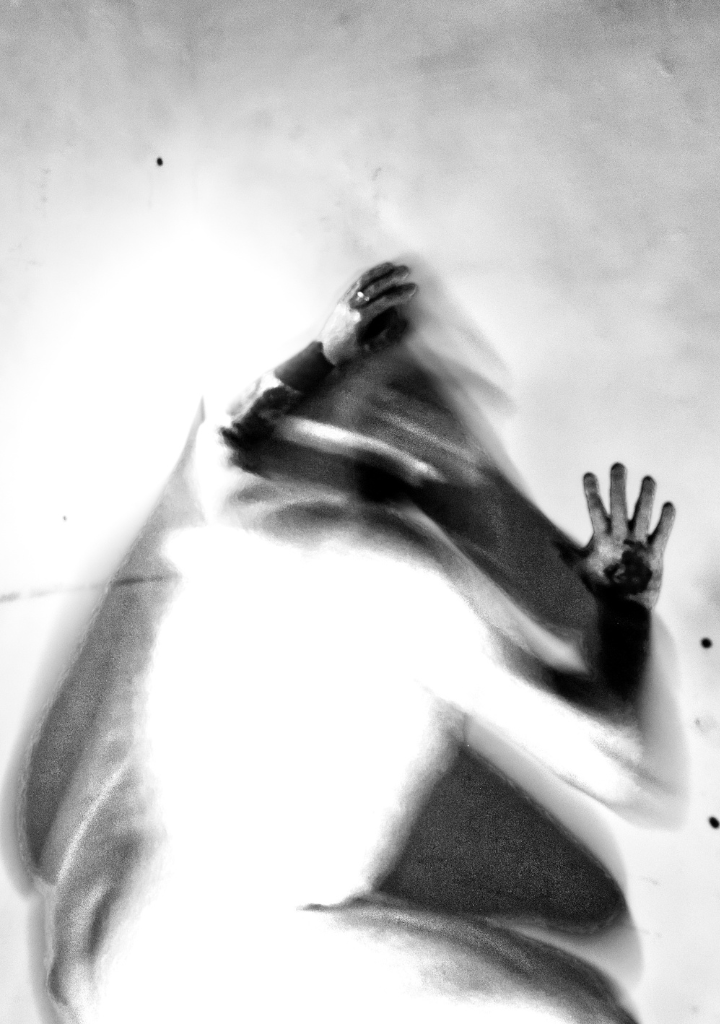
‘Hollow’ by Mike Varney
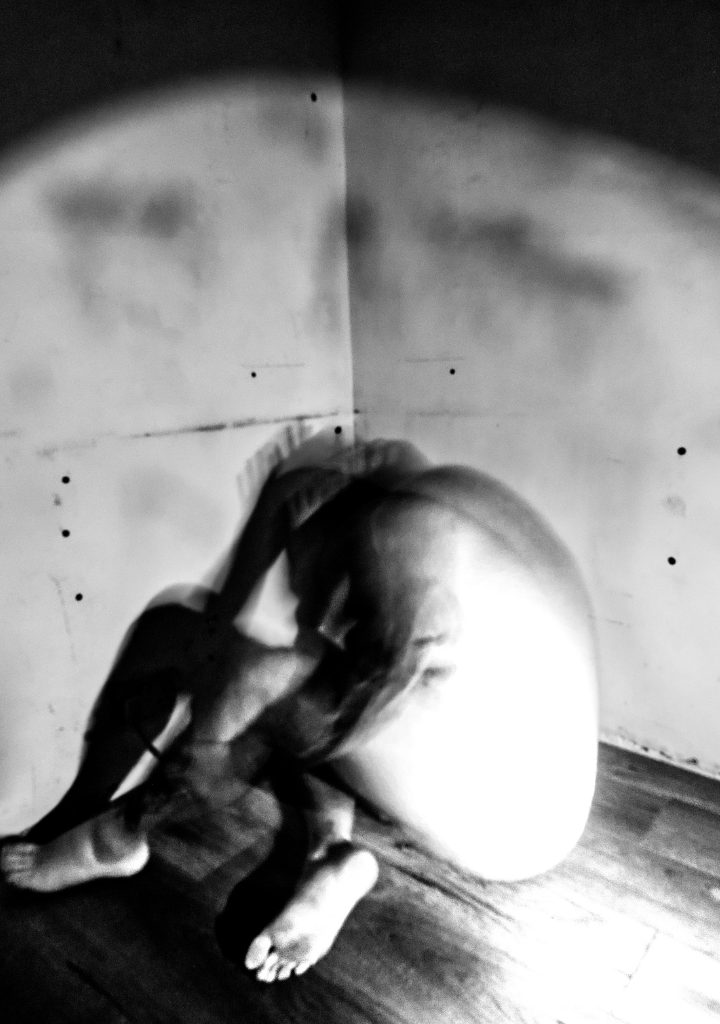
‘Disavowed’ By Mike Varney
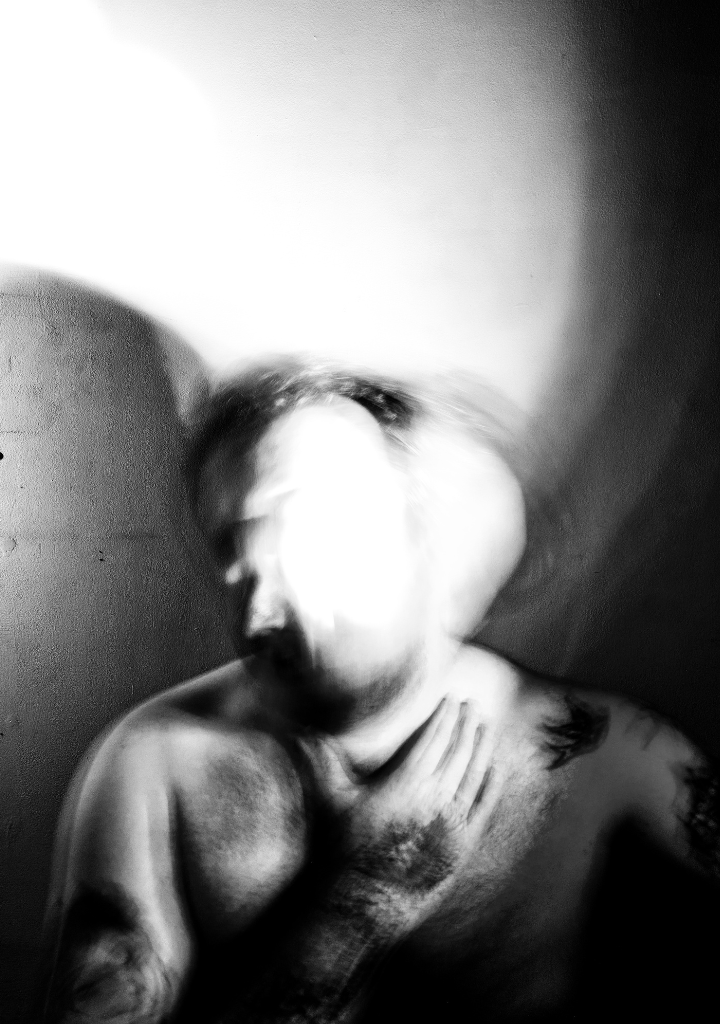
‘Bartering’ By Mike Varney
Renn:
How did you make your images then?
Mike:
As I was having new flooring at the time I was working on the photos over the Christmas period, there was nothing in the room and I realized that it could be quite interesting. With the depression I was experiencing at the time, I was in my room quite a bit. When it was empty, I felt it was pretty much perfect for me to try sitting in the room in the dark and see where the portraitures go. This is what evolved into those abstract images.
My tutor felt that my work was most effective when not planned and I could simply let things come out naturally. For me, spontaneity seems to create really good work.
Renn:
Agreed. It’s always a play between the improv bit which is the initial creative process and then the bit where you take control of that. You do the editing, the chopping and changing and you craft it then. It’s both those things coming together. What you say is really interesting.
Mike:
That’s exactly right. I used to get really frustrated and my tutor, who I had known for the past few years, kept telling me to stop trying to design and plan things. But you hit the nail on the head. You can set situations up but you don’t have to plan exactly what you are going to do.
Renn:
Which artists are you particularly interested in and/or are influenced by?
Mike:
My three biggest inspirations in terms of my MA and photography were Francesca Woodman, Olga Karlovac and Paolo Gioli.
*After looking at Varney’s latest photographs below*
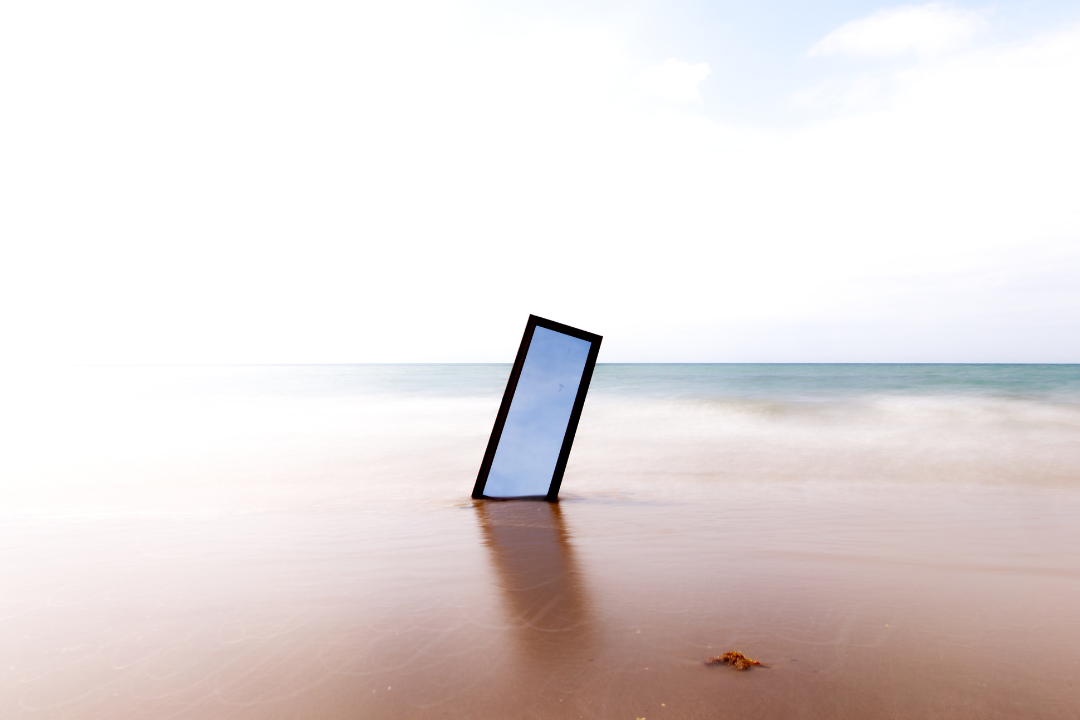
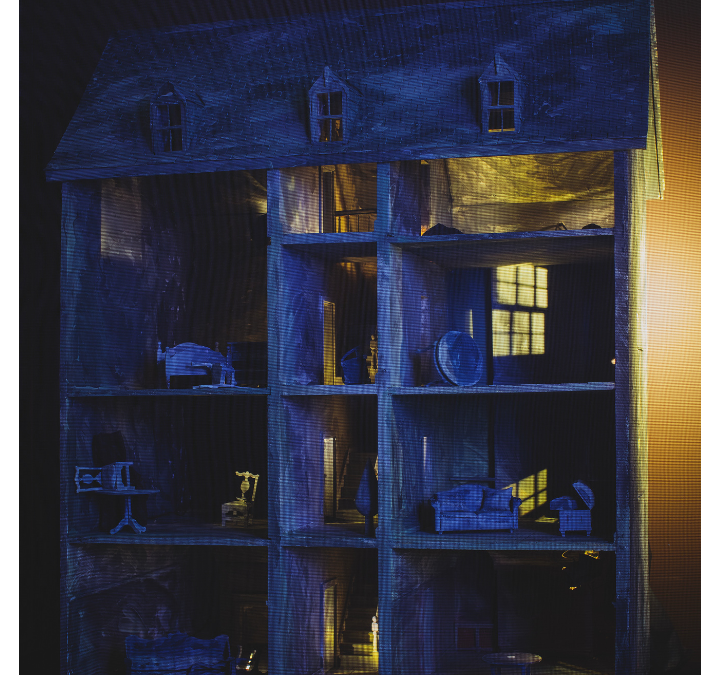
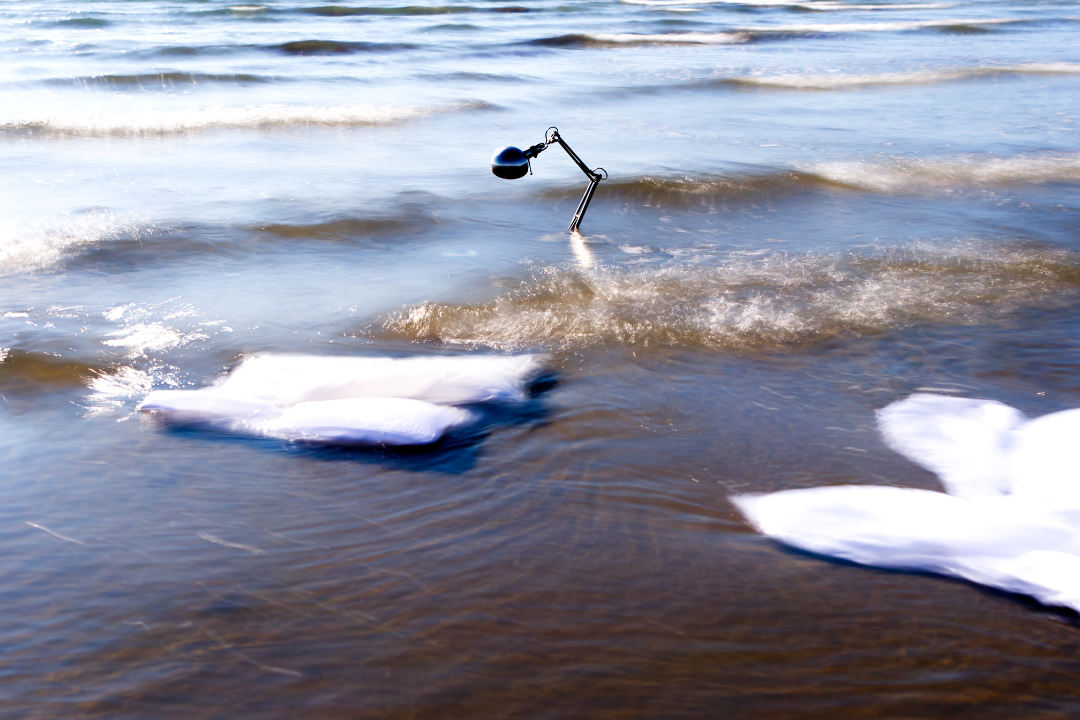
By Mike Varney
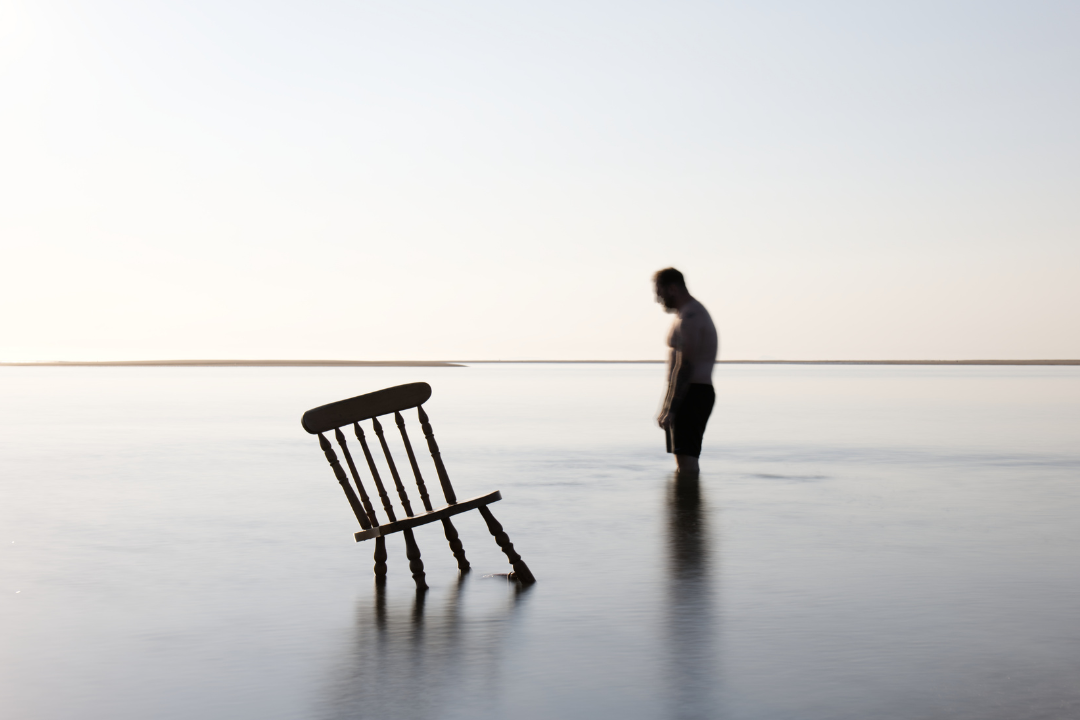
By Mike Varney
By Mike Varney
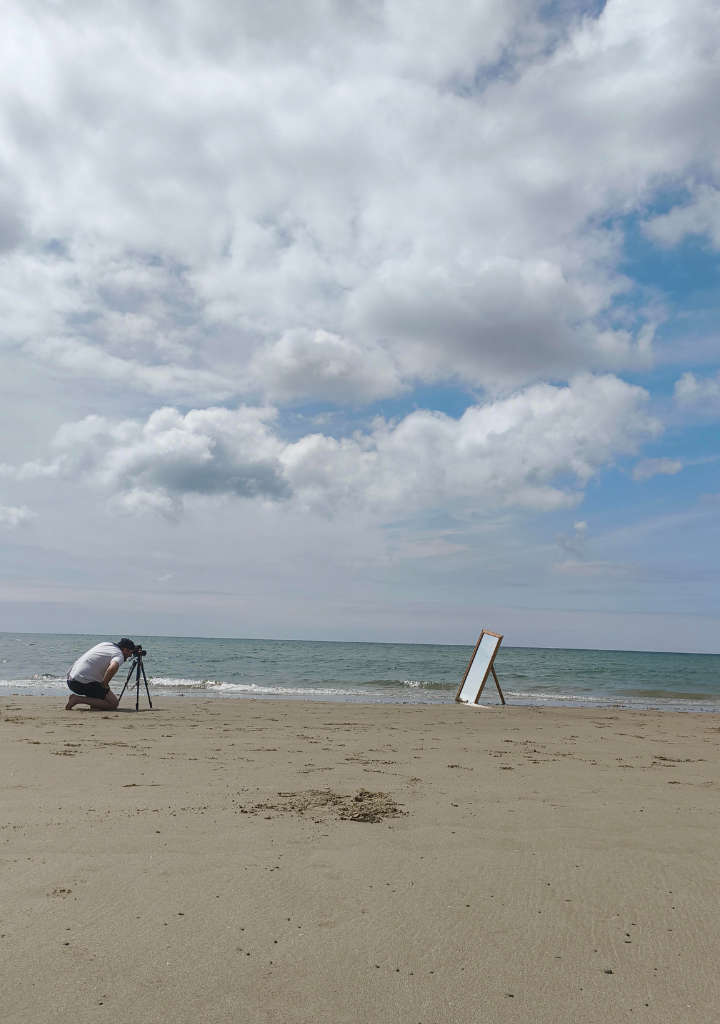
Production Shot by Mike Varney
It was weird having so much praise, I mean it was amazing to end the 5-year journey like that. Someone actually thought it was AI and I was like ‘I promise you it’s not’
Renn:
It’s fascinating how the camera can trick you into thinking that the image is a realistic environment but it’s the camera which is changing it about.
Mike:
That’s so funny because that’s what my tutor said. That’s really cool. I totally get what you mean.
Renn: Why are you so drawn to the medium of photography?
Mike:
I used to describe the camera as a bridge. How you can make these worlds out of the ‘unordinary’ is really interesting. In the world at the moment, it feels like beauty is being sucked out of everything. I think photography is one of the last mediums – if it has not been tampered with – which can show us what’s going on in different ways. It allows us to see more. It provides a really good tool for expression. It’s certainly helped me a lot with my mental health.
Mike Varney wants to continue to send out his work to exhibitions. We wish him all the very best of luck in his creative journey moving forward!